Patient guides on mental health and sleep
Plain-language guides to common concerns, drawn from international clinical guidelines, each with its sources listed.
 No. 01 · Getting started
Your first visit to a psychiatrist: what actually happens
If you’ve been putting off an appointment because you don’t know what goes on in that room, here is a plain account of the first consultation, your rights, and how to get ready for it.
 No. 02 · Understanding panic
Panic attacks: what is happening in your body, and how they are treated
A panic attack can feel like a medical emergency, and the first time, it should be checked like one. Here is what the body is doing during an attack, and why panic disorder responds so well to treatment.
 No. 03 · Sleep and insomnia
Chronic insomnia: why therapy, not a tablet, comes first
Months of broken nights are usually kept going by habits and worries that feed each other. A short, structured therapy called CBT-I tackles them directly, and international guidelines recommend it before medicines.
 No. 04 · Myths and facts
Antidepressants: common myths, and what the evidence actually says
Worried that antidepressants are addictive, or that they will change who you are? Here is what trusted medical guidance says about how they work, how long treatment lasts and how to stay safe.
 No. 05 · Pregnancy and motherhood
Your mind in pregnancy and after birth: what is normal, and when to ask for help
A few teary days after birth are common. Weeks of low mood, constant worry or frightening thoughts are not something to bear in silence. Here is how to tell the difference, and what helps.
 No. 06 · Attention and behaviour
ADHD in children: signs, diagnosis, and what genuinely helps
What ADHD looks like at different ages, how doctors tell it apart from ordinary restlessness, and the help that guidelines actually recommend.
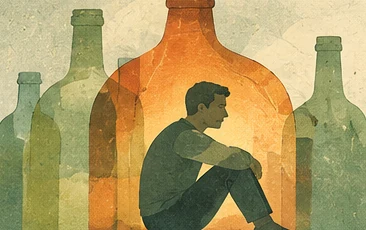 No. 07 · Alcohol and addiction
When drinking becomes a problem: signs, risks and how to get help
Alcohol problems build slowly and are easy to miss. Here’s how to tell when drinking has crossed a line, why stopping suddenly can be risky, and what good treatment involves.